New Construction Walls Without Settling or Gaps
BIBS Insulation in Albion for new builds requiring complete cavity fill and long-term thermal performance
BKE Insulators installs BIBS insulation systems in new construction across Albion and eastern Nebraska, providing a blown-in insulation method that fills wall cavities completely while remaining permanently in place. This system uses a containment fabric that holds the insulation material within the stud cavity, preventing the settling that reduces performance in standard blown insulation. The installation achieves full density from top to bottom of each wall section, addressing the gaps and voids that cause heat loss in traditionally installed insulation.
The BIBS process involves installing a fabric membrane across the exterior of each stud bay, then blowing insulation material through small access holes until the cavity reaches specified density. The containment system holds the material in place during installation and permanently after, ensuring that the R-value you measure at installation is the same R-value the wall maintains decades later. Central Nebraska's temperature swings make consistent thermal performance necessary for controlling heating and cooling costs year-round.
Schedule a project consultation to review your new construction insulation requirements and BIBS system specifications.
What Professional BIBS Installation Delivers
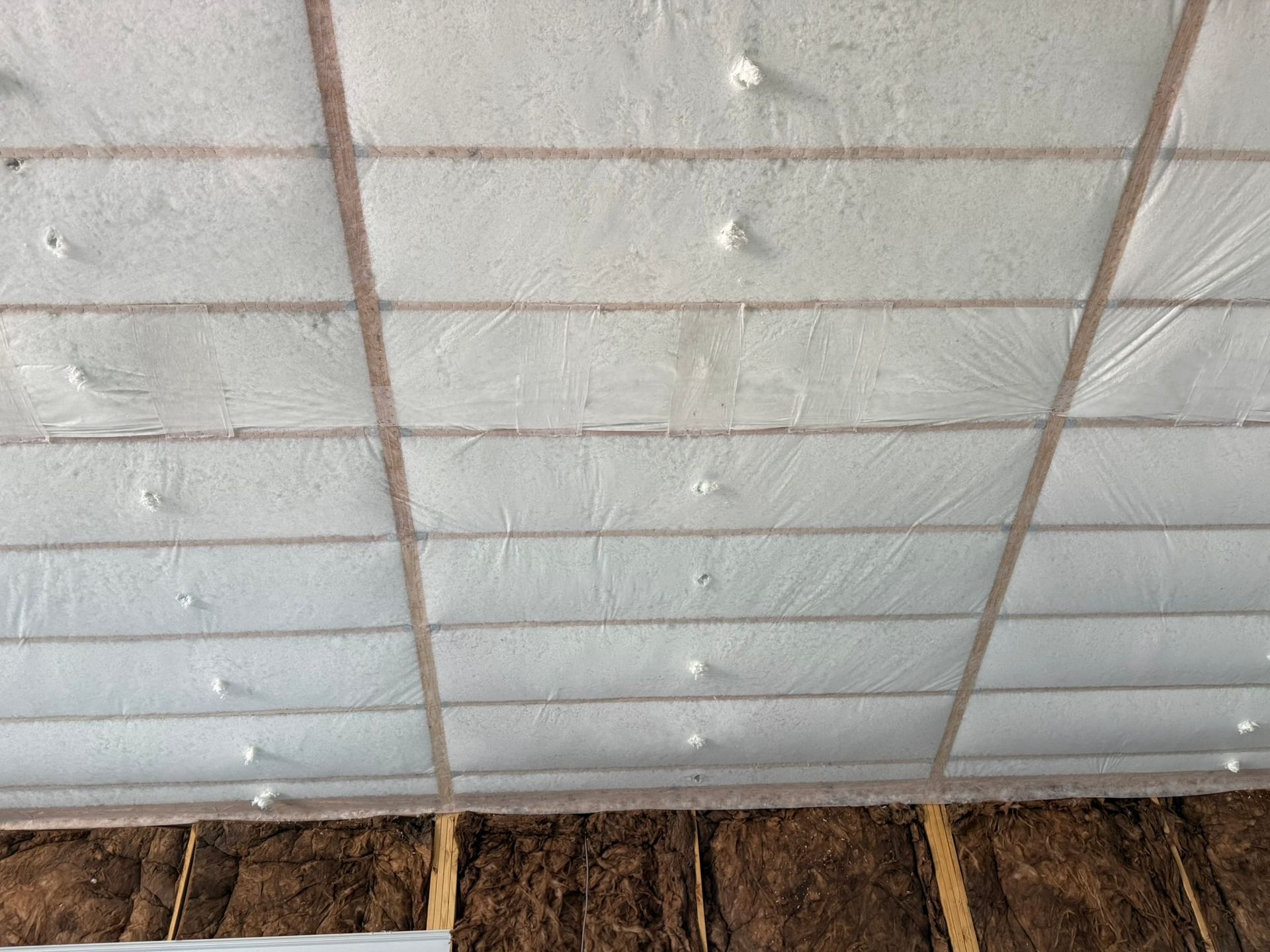
The BIBS system requires specialized installation certification to ensure proper cavity fill and material density. BKE Insulators uses calibrated blowing equipment and verified installation techniques that achieve uniform density throughout each wall cavity, eliminating the air pockets that occur when insulation is hand-placed or blown without containment. The fabric membrane is stapled at specific intervals to prevent bulging or sagging, and the insulation material is blown to exact density specifications that prevent both under-filling and over-compression.
After installation, you see smooth, uniform wall cavities with no visible gaps around electrical boxes, plumbing penetrations, or framing members. The containment fabric holds the insulation firmly against the exterior sheathing, creating continuous thermal protection that does not shift when drywall is installed or as the building settles over time. Walls maintain their rated R-value without the gradual performance loss that occurs when loose-fill insulation settles away from the top plate.
The system works in standard 2x4 and 2x6 wall construction as well as cathedral ceilings and other enclosed cavities where blown insulation provides better coverage than batts. Installation happens after rough plumbing and electrical work is complete but before drywall, fitting into the standard new construction timeline without requiring additional framing or preparation beyond what your building plans already specify.
What Builders and Homeowners Ask About BIBS
New construction projects in Albion and surrounding areas often require clarification on how BIBS installation integrates with building schedules and performance expectations.
What keeps BIBS insulation from settling like standard blown insulation?
The containment fabric creates a permanent barrier that holds the insulation material at the installed density, and the material itself is blown to a higher density than attic-blown insulation, preventing the compression and settling that reduces R-value in unconstrained applications.
How does BIBS installation fit into the construction timeline?
Installation happens after your rough mechanical, electrical, and plumbing inspections pass but before drywall crews arrive, typically requiring one to two days depending on building size and the number of installers on site.
Why choose BIBS over fiberglass batts for new construction?
BIBS fills irregular cavities around wiring, blocking, and framing variations completely, while batts require cutting and fitting that often leaves gaps around obstacles even with careful installation.
What training does BIBS installation require?
The system requires manufacturer certification that covers proper fabric installation, equipment calibration, density verification, and quality control procedures that ensure each cavity meets specified performance levels.
How does BIBS perform in Nebraska's climate conditions?
The complete cavity fill prevents air movement within wall assemblies, addressing the convective heat loss that occurs during winter temperature swings and reducing the cooling load during summer when outdoor temperatures regularly exceed 90 degrees.
BKE Insulators provides BIBS installation for residential, commercial, and agricultural new construction throughout eastern Nebraska, with certified installers trained in the specific techniques this system requires. Request a project estimate based on your building plans and wall assembly specifications.