Roofs Protected Against Decades of Weather
Roof Coatings in Albion for commercial and agricultural buildings experiencing leak damage or requiring extended roof life
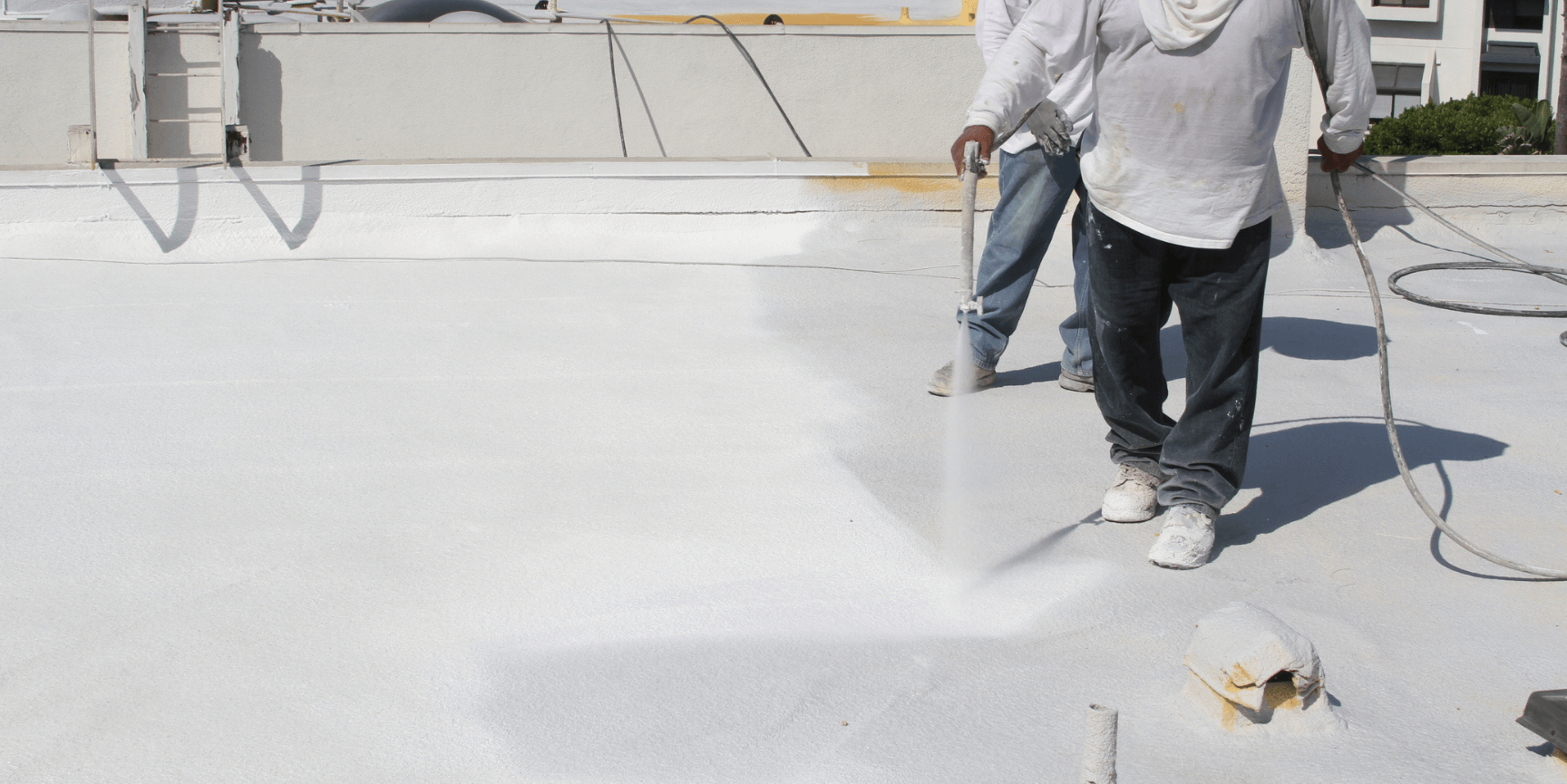
A liquid membrane coating system seals existing roof surfaces and creates a continuous waterproof layer that self-seals around fasteners, seams, and penetrations where traditional roofing materials fail. BKE Insulators applies roof coating systems to commercial and agricultural buildings throughout Albion and eastern Nebraska, addressing the accelerated wear that occurs from Nebraska's intense summer sun, freeze-thaw cycles, and thermal expansion that cracks or separates conventional roofing. The coating application extends roof life by decades when applied over structurally sound roof decking, eliminating the cost and disruption of full roof replacement while providing protection equivalent to or exceeding new roofing systems.
The process begins with surface preparation that removes loose material, cleans contaminants, and repairs damaged sections so the coating adheres properly to the existing roof substrate. The liquid coating is applied at specified thickness, typically in multiple passes, creating a seamless membrane that moves with the building as temperatures change rather than cracking at seams or pulling away from fasteners.
Schedule a roof inspection to assess your building's current condition and determine whether coating application provides the most effective protection solution.
What Membrane Coating Systems Accomplish
BKE Insulators prepares roof surfaces by addressing rust, removing failed sealants, and ensuring the substrate can support the coating system long-term. The coating material bonds to metal, single-ply membrane, modified bitumen, and other common commercial roofing substrates, creating a monolithic waterproof layer that eliminates the seams and penetrations where leaks typically develop. The system self-seals minor punctures and flexes with building movement, preventing the stress cracks that occur in rigid roofing materials during thermal expansion and contraction.
After coating application cures, your roof sheds water completely without ponding or leaking at seams, and the reflective surface reduces heat absorption that accelerates material degradation and increases cooling costs. Buildings remain protected during severe weather including hail, high winds, and the rapid freeze-thaw cycles that damage uncoated roofs each spring. The coating maintains flexibility in sub-zero temperatures and resists UV degradation during prolonged summer sun exposure, addressing the specific weather patterns that Central Nebraska buildings experience year-round.
Roof coating systems work on metal buildings, flat commercial roofs, and agricultural structures where traditional roofing materials have reached the end of their service life but the underlying structure remains sound. The application does not require complete roof removal or building shutdown, allowing facilities to remain operational during the protection upgrade.
Questions Property Owners Ask About Roof Protection
Building owners across eastern Nebraska considering roof coating systems typically need clarification on application requirements and long-term performance expectations.
What roof types can be coated instead of replaced?
Metal roofs, single-ply membranes, modified bitumen, and built-up roofing systems qualify for coating application when the substrate remains structurally sound without widespread rust perforation, rotted decking, or saturated insulation.
How long does a properly applied roof coating last?
Coating systems provide 15 to 25 years of waterproof protection depending on building exposure, maintenance practices, and whether periodic recoating occurs as manufacturers recommend for maximum life extension.
Why do commercial and agricultural roofs fail faster in Nebraska?
Intense UV exposure during summer, thermal cycling that causes expansion and contraction, hail impacts, and freeze-thaw damage create stress that conventional roofing materials cannot withstand indefinitely, leading to seam separation and fastener back-out.
What preparation does roof coating require?
Surfaces must be cleaned of dirt and biological growth, loose material removed, rust treated, and damaged areas repaired so the coating bonds properly and creates a continuous waterproof membrane without weak points.
How does roof coating reduce building operating costs?
The reflective coating surface reduces heat absorption during summer months, lowering cooling loads and interior temperatures in non-conditioned spaces, while the waterproof membrane prevents leaks that damage inventory, equipment, and interior finishes.
BKE Insulators specializes in roof coating application for commercial and agricultural buildings throughout eastern Nebraska, using proven coating systems designed for the region's weather conditions. Contact BKE Insulators to arrange a roof assessment and discuss coating options based on your building's current condition and protection requirements.