Recycled Material That Outperforms New Fiberglass
Blown Cellulose Insulation in Albion for homeowners prioritizing sustainable materials without sacrificing performance
Nebraska's dry climate creates ideal conditions for cellulose insulation, which consists of recycled newspaper treated with fire retardants and pest deterrents that prevent combustion and discourage rodent activity. This environmentally responsible material delivers higher R-value per inch than fiberglass while naturally resisting common problems that affect conventional insulation in agricultural areas. When your property sits near grain storage, livestock facilities, or other structures that attract mice and insects, the borate treatment in cellulose provides natural pest deterrent properties that fiberglass cannot match.
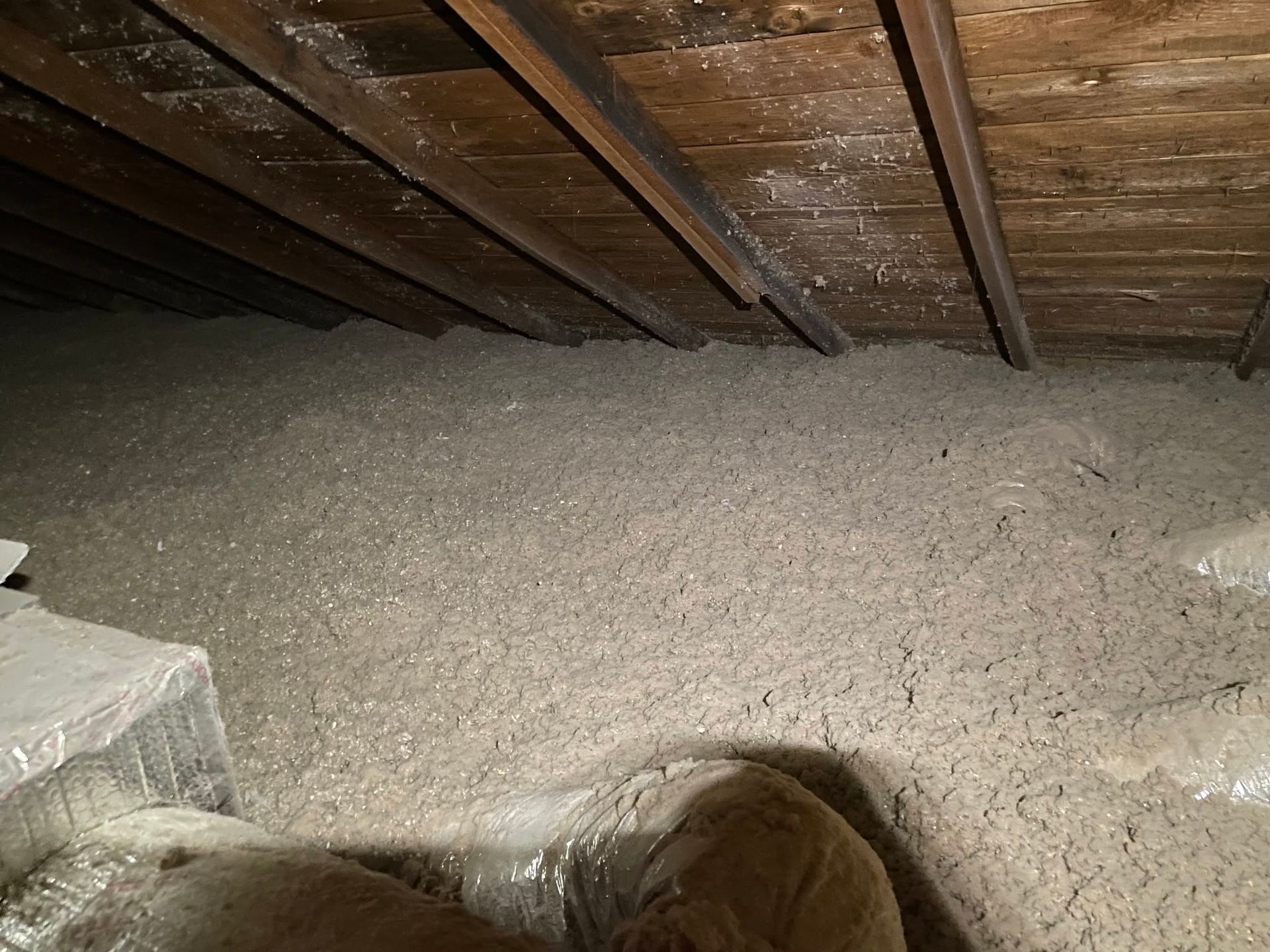
BKE Insulators applies blown cellulose using professional equipment that breaks apart compressed material and meters it through application hoses at consistent density. The installation fills wall cavities, attic floors, and other enclosed spaces with material that settles into a dense layer resistant to air movement and convective heat transfer. Central Nebraska's low humidity levels prevent the moisture-related settling issues that cellulose occasionally experiences in coastal climates, allowing the material to maintain installed R-values throughout its service life.
Request a site assessment to evaluate whether wall cavities, attic spaces, or both would benefit most from cellulose installation.
How Recycled Content Delivers Superior Results
The application process treats cellulose through blowing equipment that breaks apart any clumps and aerates the material for consistent density throughout the installation area. Dense-pack wall applications use higher pressure to completely fill stud bays without voids, while attic applications use lower density that allows the material to flow freely and settle into an even layer. The natural fiber structure traps air more effectively than fiberglass, and the higher material density reduces air movement within the insulation layer that would otherwise transfer heat through convection.
After installation settles, your home maintains more stable temperatures because cellulose performs exceptionally well at blocking air infiltration in addition to providing thermal resistance. Rooms feel consistently comfortable rather than cycling between too warm and too cold as your HVAC system runs. Outdoor noise transmission decreases noticeably because the dense cellulose absorbs sound vibrations more effectively than lightweight fiberglass, creating a quieter interior environment especially near roads or equipment.
The borate treatment that provides fire resistance and pest deterrence remains effective indefinitely because it bonds chemically with the cellulose fibers rather than coating the surface. This treatment allows cellulose to self-extinguish if exposed to flame and discourages insects and rodents from nesting in the material. Wall applications require dense packing that prevents future settling, while attic applications achieve target R-values through controlled depth rather than compression.
Common Questions About Cellulose Performance
Property owners often want to understand how recycled material performs compared to manufactured insulation products before choosing cellulose.
How does cellulose handle moisture if water leaks occur?
The material absorbs moisture when exposed to leaks but dries thoroughly once the water source stops, returning to original performance levels without permanent damage. This contrasts with fiberglass, which holds water longer and loses R-value permanently if the backing paper deteriorates. Cellulose's ability to dry makes it more forgiving in real-world conditions where minor leaks occasionally occur.
What makes cellulose a greener choice than other insulation?
The material consists of recycled newspaper that would otherwise occupy landfill space, requiring minimal energy for processing compared to manufacturing fiberglass or foam products. Choosing cellulose diverts waste material into useful application while providing insulation performance that meets or exceeds conventional alternatives.
Why does cellulose resist pests better than fiberglass?
The borate treatment embedded in cellulose fibers creates an environment that rodents and insects avoid, while fiberglass offers no deterrent to nesting activity. Properties near agricultural operations or grain storage in eastern Nebraska benefit particularly from this natural pest resistance that reduces the likelihood of insulation damage from animal activity.
When does dense-pack wall application make sense?
Existing homes with empty wall cavities benefit from dense-pack installation that fills the space completely without removing interior or exterior finishes. The high-pressure application compacts cellulose to densities that prevent settling and provide both thermal resistance and air sealing in a single step.
What R-value does cellulose provide per inch?
Blown cellulose delivers approximately R-3.5 per inch, slightly higher than fiberglass and significantly better when accounting for reduced air movement through the denser material. An R-49 attic application requires roughly fourteen inches of settled cellulose, with exact depth adjusted based on your climate zone requirements and performance goals.
BKE Insulators sources cellulose treated to meet fire safety standards and applies it using calibrated equipment for consistent coverage. Schedule a consultation to review whether attic, wall, or combined applications would address your specific insulation gaps most effectively.