
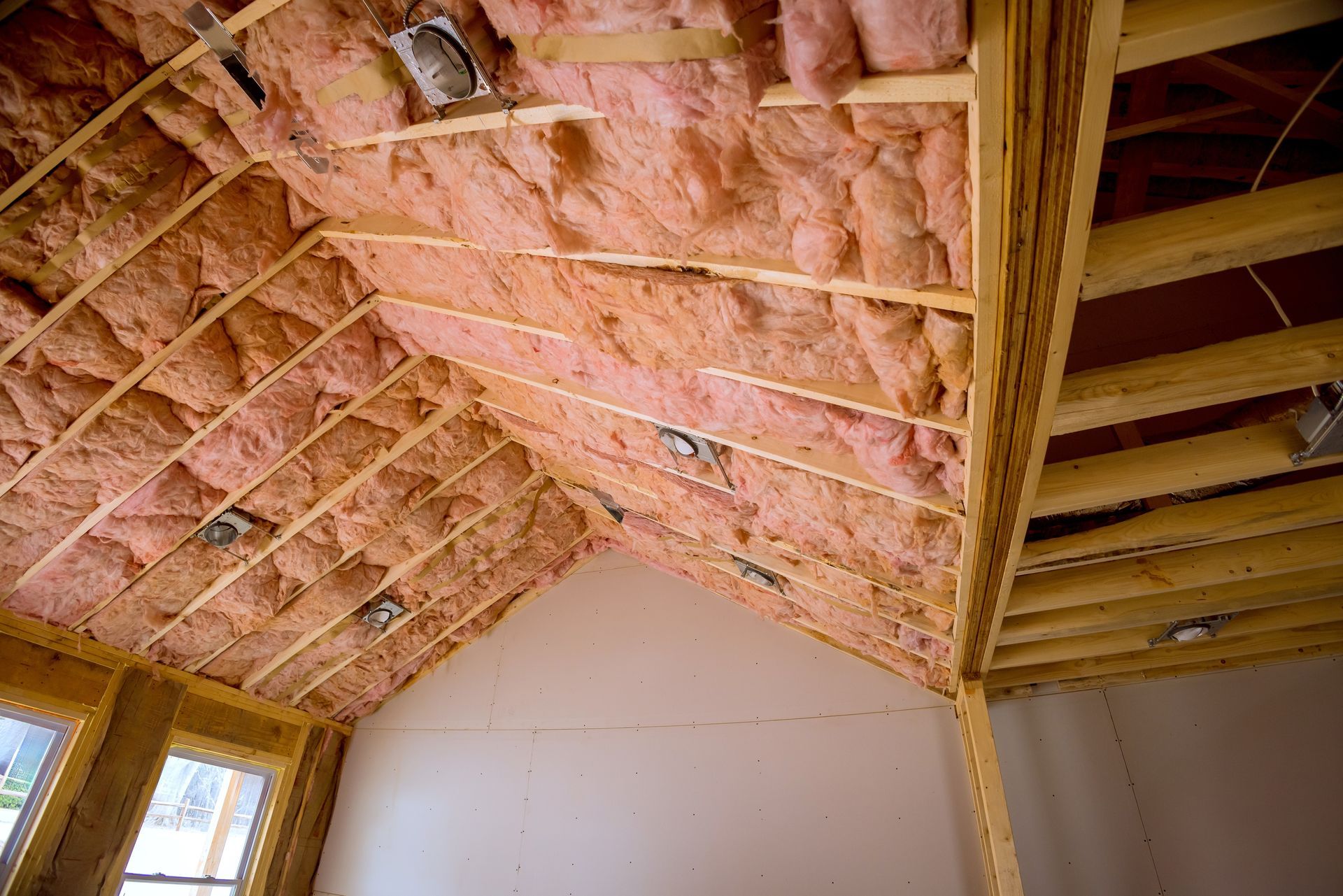
Walls That Stop Heat Loss Properly
Fiberglass Batts in Albion for insulation projects requiring professional installation without gaps or compression
Gaps around electrical boxes and compressed insulation at framing members reduce the effectiveness of fiberglass batts by creating pathways for heat movement, even when the batts themselves carry high R-value ratings. BKE Insulators installs fiberglass batt insulation throughout Albion and eastern Nebraska using techniques that maintain full contact between insulation and framing while working around wiring, plumbing, and other wall obstructions. Proper installation requires splitting batts around wiring rather than compressing them behind cables and filling irregular spaces with precisely cut pieces rather than folding full batts into undersized cavities.
The installation process involves measuring and cutting each batt to fit the actual cavity dimensions, not the nominal stud spacing printed on the product wrapper. Studs rarely sit exactly 16 or 24 inches apart after framing, and cavities containing plumbing vents or electrical panels require custom fitting to avoid leaving air gaps that bypass the insulation entirely.
Arrange an on-site evaluation to assess your insulation needs and review installation specifications for your project.
How Trained Installation Prevents Common Problems
BKE Insulators trains installers to identify and address the thermal bridging that occurs when batts are compressed against studs or left loose within cavities. Compression reduces the trapped air space that provides insulation value, while gaps allow convective air movement that transfers heat regardless of the insulation's rated R-value. The installation approach includes splitting batts lengthwise to wrap around wiring, cutting friction-fit pieces for narrow cavities, and ensuring that the vapor retarder faces the correct direction based on your climate zone and wall assembly.
After professional installation, wall cavities show continuous insulation contact from top plate to bottom plate with no visible gaps at corners, along framing members, or around mechanical penetrations. Your heating system runs fewer cycles during cold periods because the building envelope reduces heat loss consistently, rather than allowing concentrated heat escape at poorly insulated sections. Air infiltration decreases when insulation fills the cavities completely, reducing the drafts that occur when outside air moves through wall assemblies via gaps in the insulation layer.
The service includes insulation material delivery, professional installation with proper fitting and placement techniques, and cleanup of packaging and trim waste. Installation does not include air sealing at penetrations or drywall finishing, which remain separate scope items handled by other trades during your construction or renovation project.
Questions About Professional Batt Installation
Homeowners in Albion considering insulation upgrades or new installation typically want to understand how professional installation differs from standard approaches.
What makes professional batt installation different from DIY installation?
Trained installers recognize when cavities require split batts around wiring, custom cuts for irregular spaces, or additional pieces to fill areas where full batts do not fit, preventing the gaps that commonly appear in owner-installed projects.
How does compression affect insulation performance?
Compressing an R-19 batt into a space rated for R-13 reduces its effective R-value below R-13 because insulation works by trapping air, and compression removes the air space that provides thermal resistance.
When should batts be installed during construction or renovation?
Batts install after rough electrical and plumbing work passes inspection but before drywall, allowing installers to work around wiring and pipes while maintaining access to verify complete cavity coverage.
Why do some walls feel colder than others after insulation?
Cold spots typically indicate gaps in the insulation layer where batts were cut too short, compressed behind obstacles, or left loose rather than friction-fit against framing, allowing heat to escape through those sections faster than through properly insulated areas.
What wall types work best with fiberglass batts?
Standard 2x4 and 2x6 stud walls with consistent spacing and minimal obstructions allow batts to install efficiently, while walls with extensive plumbing, ductwork, or irregular framing may benefit from blown or sprayed insulation that conforms to complex cavity shapes.
BKE Insulators handles fiberglass batt installation for residential, commercial, and agricultural buildings across eastern Nebraska, with crews trained in proper fitting and placement techniques. Contact BKE Insulators directly to schedule your insulation installation and discuss project-specific requirements.