Fire Protection That Maintains Performance Under Flame
Rockwool Insulation in Albion for properties near grain storage, workshops, or high-fire-risk areas requiring noncombustible wall protection
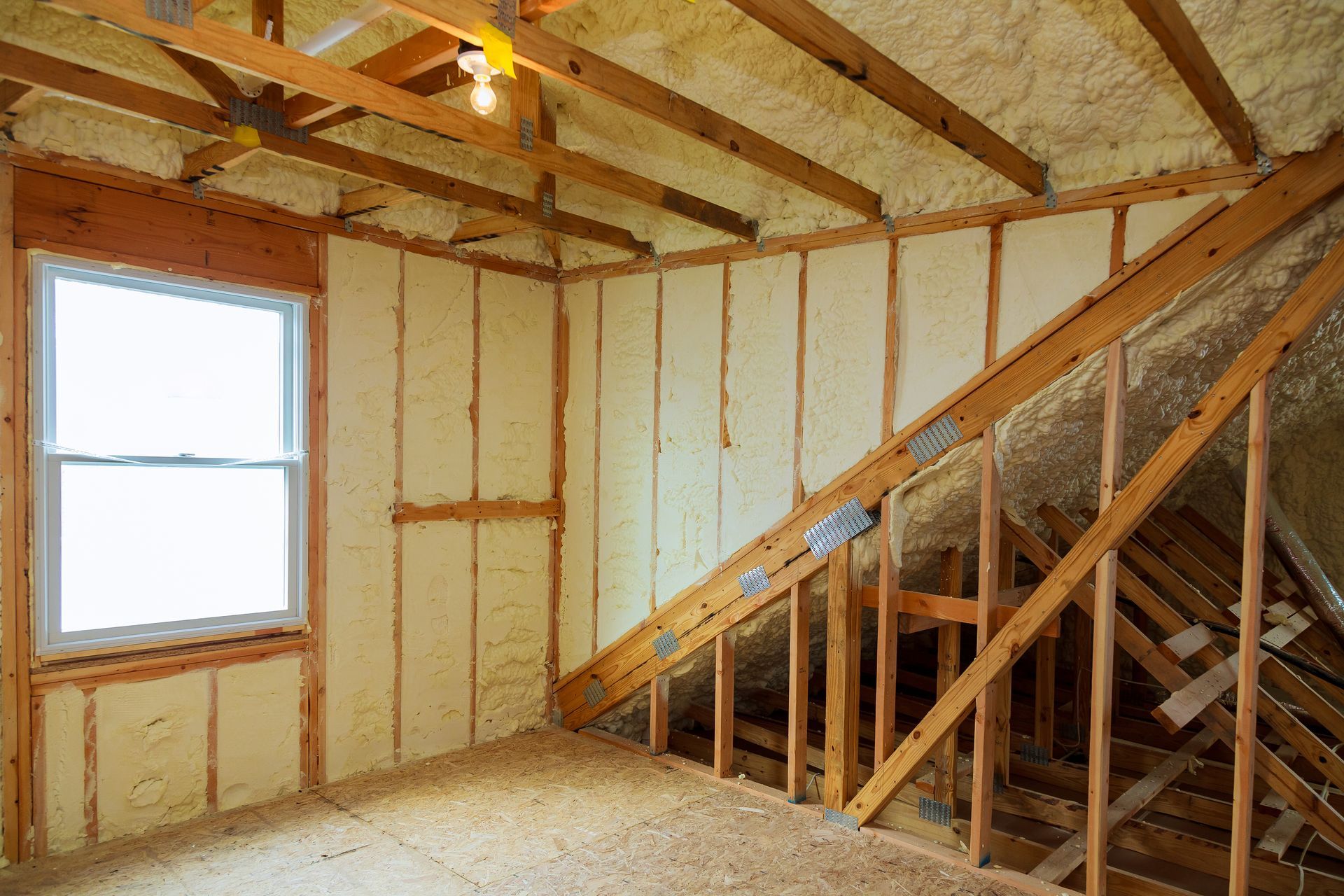
Rockwool insulation maintains its structure and R-value when exposed to direct flame, providing fire protection that standard insulation materials cannot match. BKE Insulators installs Rockwool in residential, commercial, and agricultural buildings throughout Albion and eastern Nebraska where fire safety requirements exceed what fiberglass or cellulose provide. The material is manufactured from molten rock spun into fibers, creating an insulation product that will not ignite, melt, or release toxic smoke during fire exposure, and it continues to insulate even while flame is present on one side of the wall assembly.
Installation follows standard batt techniques but accounts for the higher density and weight of Rockwool compared to fiberglass. The batts friction-fit between studs and hold position without sagging, and the material can be cut with a serrated blade to fit around electrical boxes, plumbing penetrations, and other wall obstructions. Properties near grain bins, welding shops, equipment storage, or other agricultural fire risks benefit from the additional protection Rockwool provides during the critical minutes when fire starts and spreads.
Request a fire-safe insulation assessment to identify areas where Rockwool provides the highest safety benefit for your property.
Why Fire Resistance Matters in Wall Assemblies
Rockwool carries the highest fire safety rating available for insulation materials, maintaining its thermal resistance and structural integrity at temperatures exceeding 2,000 degrees Fahrenheit. BKE Insulators specifies Rockwool for walls separating living spaces from attached garages, for buildings located near areas where welding or cutting occurs, and for agricultural structures where dust and equipment create elevated fire risk. The material does not contribute fuel to a fire, does not produce smoke that obscures exits or damages property, and continues to slow heat transfer through wall assemblies even during active fire exposure.
After installation, walls function as fire barriers that delay heat and flame spread, providing additional escape time and reducing the likelihood that fire starting in one area spreads to adjacent rooms or buildings. The insulation remains in place during fire exposure rather than melting away and allowing rapid heat transfer, and it does not release the toxic fumes that many building materials produce when burning. You gain thermal performance comparable to standard insulation products along with fire protection that remains effective throughout the life of the building.
Rockwool also provides sound dampening that exceeds fiberglass performance, reducing noise transfer between rooms or from exterior sources. The material resists moisture absorption better than paper-faced or organic insulation products, making it suitable for walls with higher humidity exposure or where vapor drive occurs during specific seasons.
Common Fire-Safe Insulation Questions
Building owners in Albion and surrounding agricultural areas often need clarification on how fire-rated insulation performs and where it provides the most benefit.
What happens to Rockwool during a fire?
The material remains structurally intact and continues to insulate during flame exposure, maintaining R-value and slowing heat transfer through the wall assembly rather than melting, burning, or collapsing like many other insulation types.
How does Rockwool installation differ from fiberglass?
The batts install using the same friction-fit technique between studs, but Rockwool weighs more and requires a serrated knife rather than a standard utility blade for cutting, and installers account for the denser material when working around obstacles.
Where does fire-rated insulation provide the most protection?
Walls between living spaces and garages, buildings located near welding or cutting operations, structures storing flammable materials, and agricultural buildings where equipment and dust create elevated fire risk benefit most from noncombustible insulation.
Why choose Rockwool over standard insulation for new construction?
Properties built near agricultural operations, workshop buildings, or areas with wildfire risk gain fire protection that standard materials do not provide, while still achieving the thermal performance required by building codes and energy efficiency goals.
How does Nebraska's climate affect fire-safe insulation performance?
The material performs consistently across temperature ranges without degrading from freeze-thaw cycles, moisture exposure, or the temperature swings common in Central Nebraska, maintaining both thermal and fire resistance properties long-term.
BKE Insulators provides Rockwool insulation for residential, commercial, and agricultural projects throughout eastern Nebraska, with installation crews trained in proper handling and fitting techniques for this higher-density material. Schedule a consultation with BKE Insulators to review your fire safety requirements and determine where fire-rated insulation provides the greatest benefit for your building.