Fire Resistance Built Into the Material
Blown Wool Insulation in Albion for properties with wood-burning systems and safety-conscious homeowners
Rural Nebraska homes frequently rely on wood stoves or outdoor furnaces for supplemental or primary heating, creating fire safety concerns that conventional insulation materials cannot address. Blown wool insulation provides natural fire resistance that does not require chemical treatment—the material self-extinguishes when exposed to flame and resists ignition temperatures that would cause fiberglass facings or cellulose to combust. BKE Insulators installs wool insulation for homeowners who prioritize fire protection without sacrificing thermal performance or choosing synthetic materials over natural fibers.
The wool fibers naturally manage moisture in ways that actually improve performance rather than degrading it, a unique characteristic among insulation materials. When humidity rises, wool absorbs moisture vapor without losing R-value, then releases that moisture when conditions dry out without creating the damp environment that encourages mold growth. This moisture buffering stabilizes indoor humidity levels and protects wood framing from the condensation cycles that occur in tightly sealed homes with conventional vapor barriers.
Schedule an evaluation to determine whether attic spaces, wall cavities, or areas near heating systems would benefit most from wool's fire-resistant properties.
What Proper Application Requires
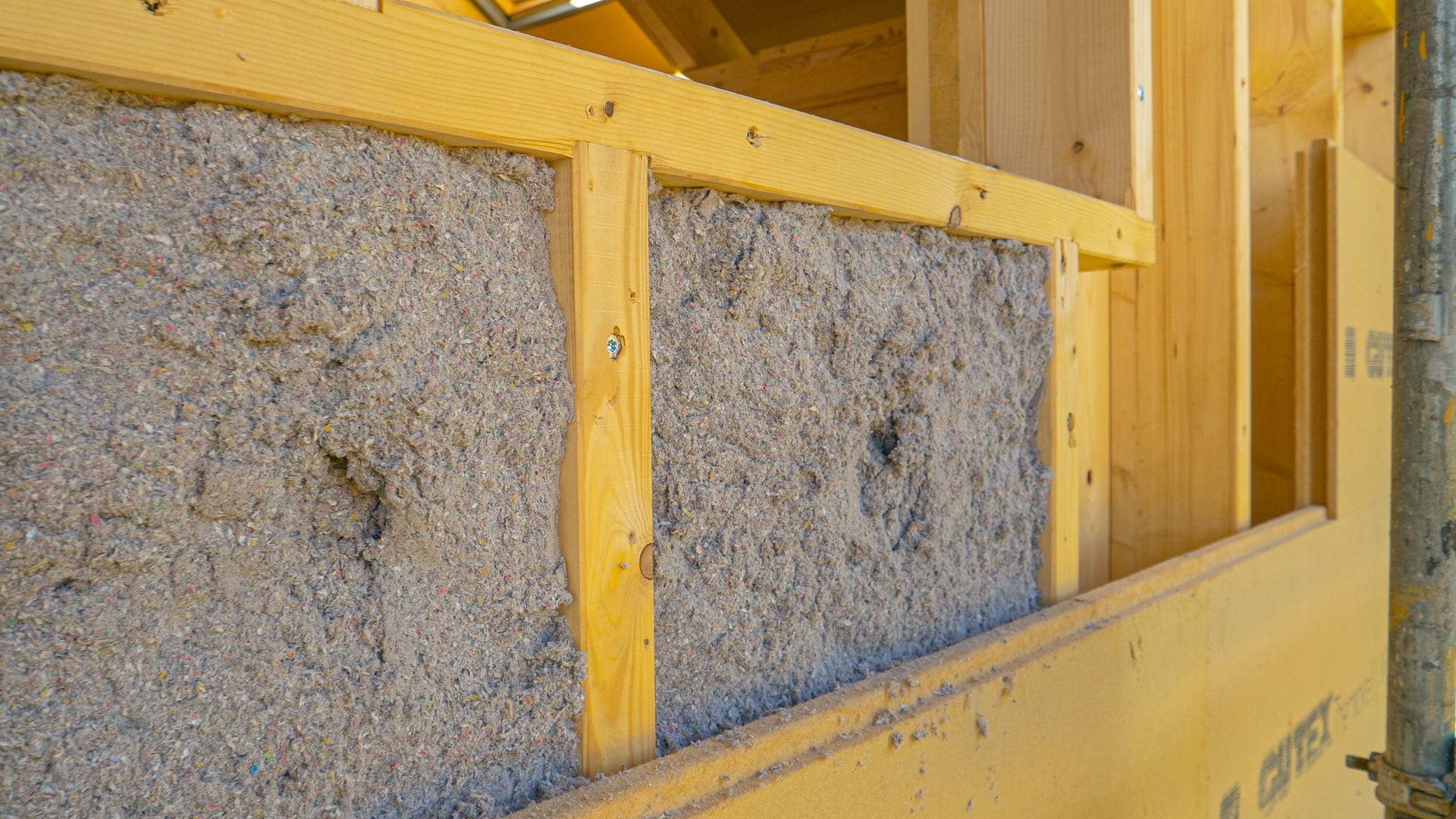
Installation follows the same blowing process used for cellulose or fiberglass, with professional equipment that meters wool fibers at controlled rates through application hoses. The material fills irregular spaces and covers obstructions while maintaining the loft needed for thermal performance. Wool's natural crimp creates air pockets that provide R-value comparable to synthetic insulation while adding the moisture management and fire resistance that distinguish this material from alternatives.
After installation, you notice that indoor humidity remains more stable throughout seasonal changes because the wool absorbs excess moisture during humid periods and releases it when indoor air becomes dry. Rooms near wood stoves or furnace installations gain an extra margin of fire safety from insulation that will not support combustion. The material maintains consistent R-value regardless of humidity fluctuations, unlike fiberglass which loses effectiveness when moisture condenses on fibers or cellulose which can compress if repeatedly wetted.
Wool insulation costs more than cellulose or fiberglass due to material sourcing and processing requirements, but the investment provides fire protection that chemical treatments cannot match. The natural lanolin in wool fibers repels liquid water while allowing vapor transmission, creating a material that handles both bulk water exposure and vapor drive without permanent performance loss. This makes wool particularly suitable for cathedral ceilings, bonus room floors, and other applications where vapor barriers create more problems than they solve.
Questions Before Starting Your Project
Homeowners considering wool insulation typically want to understand how natural fibers compare to conventional products and whether the cost premium delivers tangible benefits.
What makes wool naturally fire-resistant?
The protein structure of wool fibers requires high temperatures to ignite and self-extinguishes when the flame source disappears, unlike cellulose which needs chemical treatment or fiberglass which has flammable paper backings. This inherent fire resistance provides passive protection without relying on treatments that could degrade over time.
How does wool perform in Albion's dry winter air?
The moisture buffering capacity of wool helps moderate indoor humidity during heating season when forced-air systems create extremely dry conditions. The material absorbs moisture vapor from activities like cooking and bathing, then releases it gradually to maintain more stable humidity levels that feel more comfortable and reduce static electricity.
Why does moisture improve wool's performance?
Wool fibers release heat when absorbing moisture vapor, actually increasing R-value during the absorption process. This contrasts with fiberglass and cellulose, which lose thermal performance when moisture condenses on or within the material. The effect remains modest but represents a genuine performance advantage during humidity fluctuations.
When does wool insulation justify the higher cost?
Properties with wood-burning heating systems benefit from the fire safety margin, while homes with chronic humidity issues gain from the moisture buffering that prevents mold growth. The natural pest resistance and permanent fire protection provide long-term value that offsets the initial cost premium for safety-conscious property owners.
What installation challenges does wool present?
The material requires the same blowing equipment used for cellulose or fiberglass, with no special application techniques or safety concerns. BKE Insulators installs wool using standard methods that achieve consistent density and coverage throughout attic spaces or wall cavities. The primary constraint remains material availability rather than installation complexity.
BKE Insulators sources wool insulation from suppliers that meet thermal performance and fire safety standards for residential applications. Contact us to review your property's specific fire safety concerns and discuss whether wool's premium features align with your insulation priorities and budget parameters.